

Copper Scrap Wire/Cable/Pipes/Pin Copper
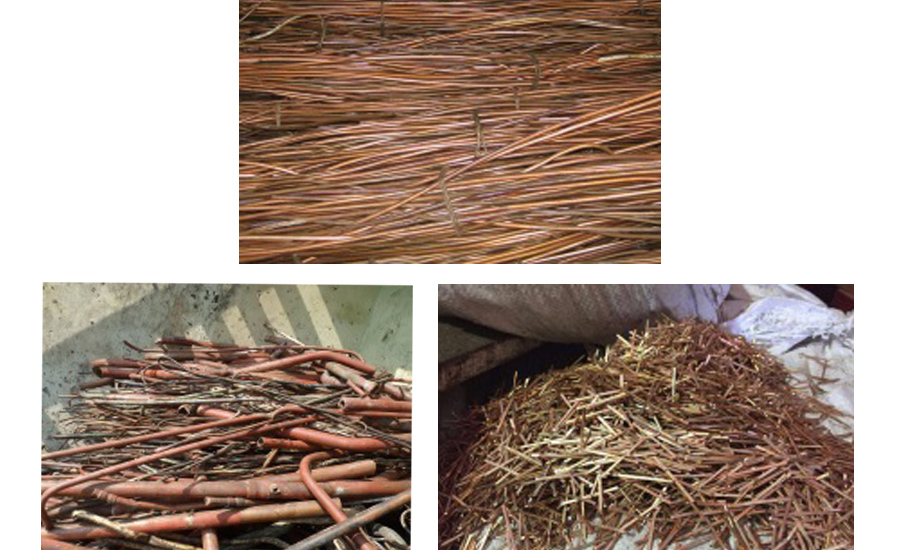
Copper Scrap Wire / Cable / Pipes / Pin Copper – Detailed Content
Copper Scrap Wire, Cable, Pipes, and Pin Copper represent some of the most valuable and widely traded non-ferrous scrap materials in the recycling industry. Due to copper’s excellent electrical conductivity, thermal performance, and recyclability, these forms of copper scrap are in constant demand across global manufacturing sectors.
What Is Copper Scrap?
Copper scrap consists of reusable copper materials recovered from electrical, industrial, marine, and construction applications. When properly processed, copper can be recycled repeatedly without losing its physical or electrical properties.
In the context of the recycling industry, copper scrap plays a critical role in reducing energy consumption and conserving natural resources.
Types of Copper Scrap
1. Copper Scrap Wire & Cable
Recovered from electrical systems and machinery, including:
- Electrical wiring and power cables
- Communication and data cables
- Motor windings and coils
- Marine and industrial electrical systems
High-purity, uncoated copper wire (often called bright copper) commands premium value.
2. Copper Scrap Pipes
Copper pipes are widely used for fluid and gas transfer and are sourced from:
- Plumbing and water systems
- HVAC and refrigeration units
- Industrial and marine pipelines
- Heat exchangers and cooling systems
Clean, oil-free copper pipes are especially preferred by recyclers.
3. Pin Copper (Copper Pins and Turnings)
Pin copper refers to small copper pieces such as:
- Electrical pins and connectors
- Copper turnings and off-cuts
- Machining scraps and punch-outs
- Small solid copper components
Although smaller in size, pin copper maintains high value due to its solid copper content.
Scrap Recovery and Processing
To maximize value, copper scrap is processed through:
Collection and dismantling – separating copper from assemblies
Insulation removal – stripping PVC or rubber from cables
Sorting and grading – separating bright, bare, and mixed copper
Cleaning – removing oil, grease, and contaminants
Sizing – cutting into furnace-ready pieces
Proper grading directly affects scrap pricing.
Key Characteristics of Copper Scrap
- Excellent electrical and thermal conductivity
- High melting efficiency
- Long life and infinite recyclability
- Strong global demand
- Stable market value compared to other metals
Applications of Recycled Copper Scrap
Recycled copper is widely used to manufacture:
- Electrical wires and cables
- Pipes and plumbing products
- Motors, transformers, and generators
- Electronics and electrical components
- Industrial and construction materials
Environmental and Economic Benefits
Recycling copper scrap offers major advantages:
- Uses significantly less energy than primary copper production
- Reduces copper mining and environmental impact
- Lowers greenhouse gas emissions
- Supports a circular economy and sustainable industry
Market Demand and Value
Copper scrap wire, cable, pipes, and pin copper maintain strong demand due to:
- High purity and versatility
- Consistent usage across multiple industries
- Global demand from smelters and foundries
Prices vary based on grade, cleanliness, and global copper market trends.
Conclusion
Copper Scrap Wire, Cable, Pipes, and Pin Copper are premium non-ferrous recycling materials with excellent economic and environmental value. Through proper sorting, cleaning, and processing, these copper scraps support efficient recycling, sustainable manufacturing, and a reliable supply of high-quality copper for global industries.