

Ship breaking Brass Scrap(Pallu/Pipes/Brass Scrap Pallu)
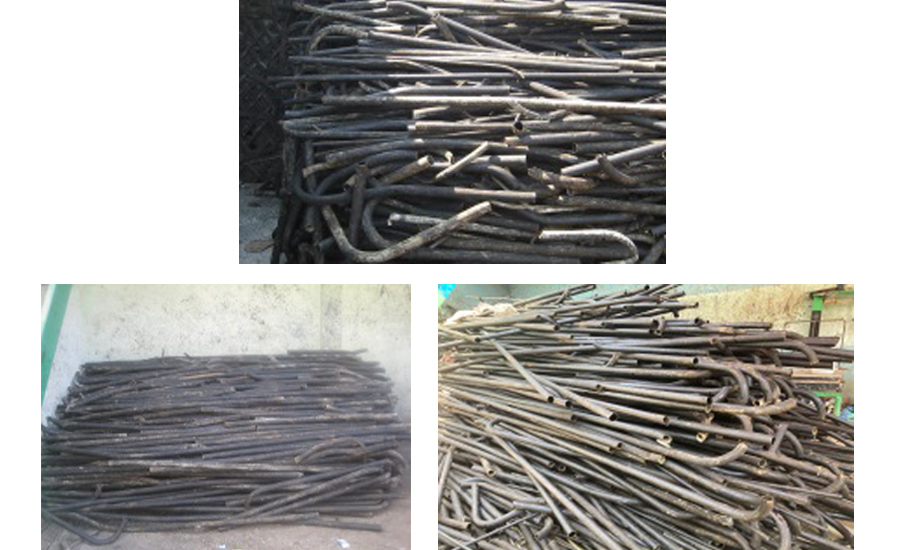
Ship breaking brass scrap refers to brass materials recovered during the dismantling of end-of-life ships. As vessels are decommissioned and taken apart, a wide range of non-ferrous components are extracted, with brass being one of the most valuable due to its durability, corrosion resistance, and high recyclability.
What Is Brass Scrap in Ship Breaking?
Brass is an alloy primarily made of copper and zinc, sometimes with small amounts of tin, lead, or nickel. In ship breaking yards, brass scrap is collected from various ship systems and fittings that have been in long-term marine service.
Common Sources of Brass Scrap on Ships
Brass scrap recovered from ship breaking typically comes from:
- Valves and fittings – seawater valves, control valves, pipe connectors
- Pumps and impellers – cooling systems and ballast systems
- Bearings and bushings – engine room and auxiliary machinery
- Marine hardware – nuts, bolts, fasteners, hinges
- Electrical and instrumentation parts – terminals, connectors, gauges
- Plumbing components – pipe joints, couplings, and taps
These parts are favored in marine environments because brass resists corrosion from saltwater.
Ship Breaking and Scrap Recovery Process
In the shipbreaking industry, brass scrap is recovered through a systematic process:
Initial inspection – identifying non-ferrous components before cutting
Manual dismantling – careful removal of brass parts to avoid contamination
Segregation – separating brass from other metals like steel, aluminum, or bronze
Cleaning – removing oil, grease, paint, or rubber attachments
Grading and sizing – classifying scrap based on purity and alloy type
Proper segregation increases both quality and market value.
Types and Grades of Ship Breaking Brass Scrap
Ship breaking brass scrap is commonly categorized into:
- Yellow brass scrap – valves, fittings, plumbing parts
- Red brass scrap – higher copper content, often from pumps and bearings
- Mixed brass scrap – assorted brass items with minor attachments
- Clean brass scrap – free from steel, plastic, or excessive coatings
Clean, well-sorted brass fetches higher prices in recycling markets.
Recycling and Environmental Importance
Recycling brass scrap from ship breaking has significant benefits:
- Energy efficiency – recycling brass uses far less energy than producing new metal
- Resource conservation – reduces the need for copper and zinc mining
- Environmental protection – lowers landfill waste and industrial emissions
- Circular economy support – brass can be recycled repeatedly without losing quality
Responsible ship breaking and brass recycling play an important role in sustainable industrial practices.
Applications of Recycled Brass Scrap
Recycled brass from ship breaking is widely reused in manufacturing:
- New valves, fittings, and plumbing products
- Electrical components and connectors
- Automotive and industrial machinery parts
- Decorative items and architectural hardware
Market Value and Demand
Ship breaking brass scrap maintains strong demand due to:
- High copper content
- Consistent quality from marine-grade components
- Global recycling demand in foundries and metal industries
Prices vary based on purity, cleanliness, and global non-ferrous metal markets.
Conclusion
Ship breaking brass scrap is a high-value, reusable material recovered from dismantled vessels. Through proper dismantling, segregation, and recycling, it contributes to economic efficiency, environmental sustainability, and the global recycling supply chain. Its durability and recyclability make brass one of the most important non-ferrous metals in ship breaking operations.